
Blog
History of Coffee


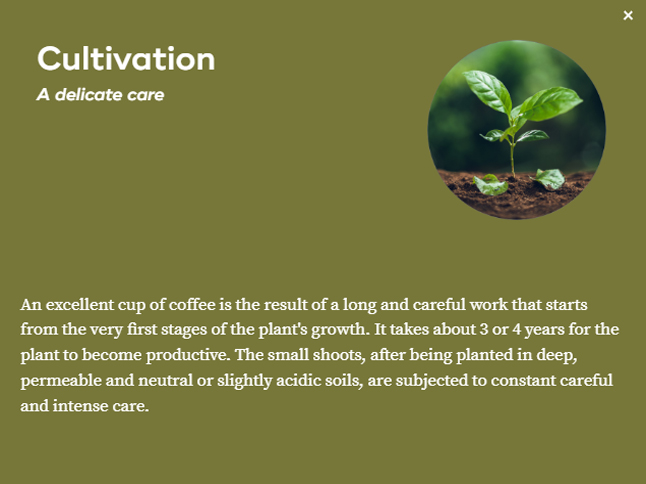
The rich history of coffee begins with understanding where and how this incredible plant thrives. The main area of growing for coffee plantations is the so-called “coffee belt” and extends between the tropics of Cancer and Capricorn.
This band of the planet is the most suitable for the growing of this delicate plant because the average temperature varies between 18 and 24°C, thus limiting any possible risk of frost or extreme heat. Another very important element for the development of the plant is the altitude: the Arabica quality grows at an altitude between 700 and 2200 meters, while the Robusta grows between 0 and 900 meters.



The coffee
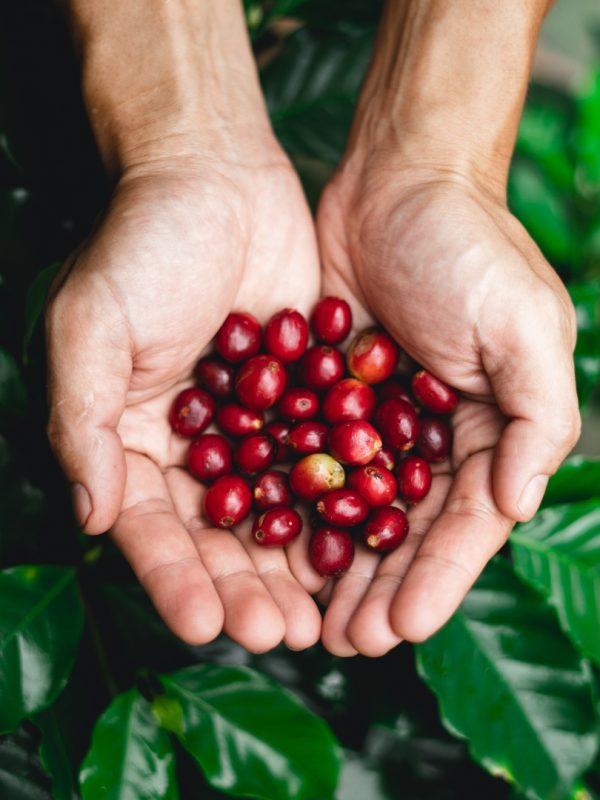
The coffee plant is an evergreen shrub belonging to the Rubiaceae family of the coffea genus, with dark and pointed shiny green leaves and a white inflorescence resembling, in shape and intense fragrance, those of jasmine. The fruits, green and cherry-shaped, change their colour to red when they reach full maturity. Inside each drupe there are two grains, flat in contact, separated by a groove and convex on the outside. In some cases, when the fruit grows at the end of the branch, a single round bean can develop inside the drupe, which is called a “Caracolito” or coffee pearl.



The three “original” moments
The goodness of coffee, from the beginning


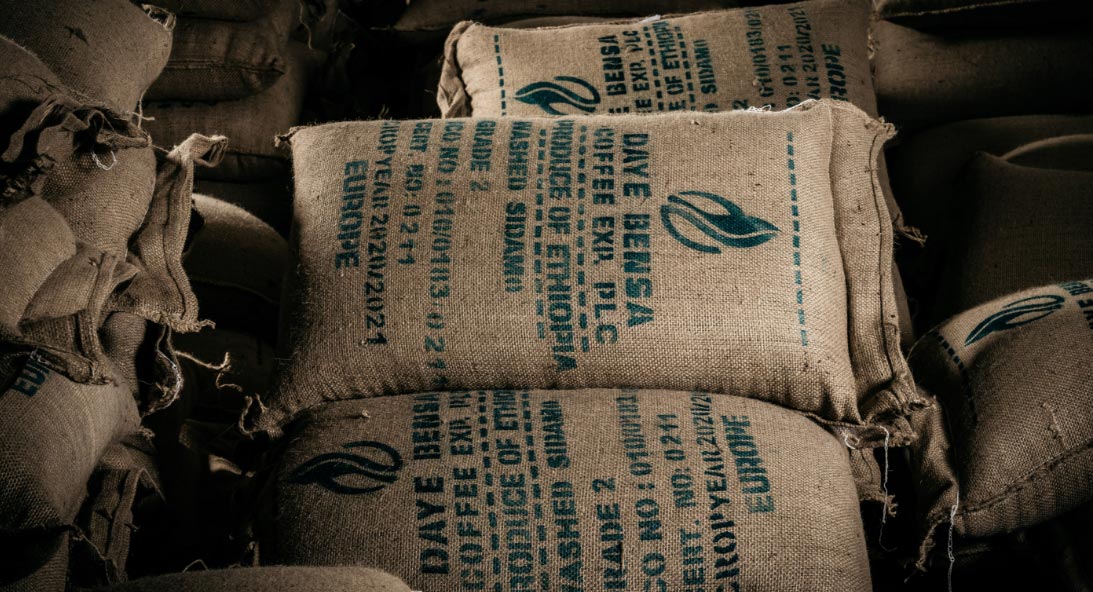
A great journey.
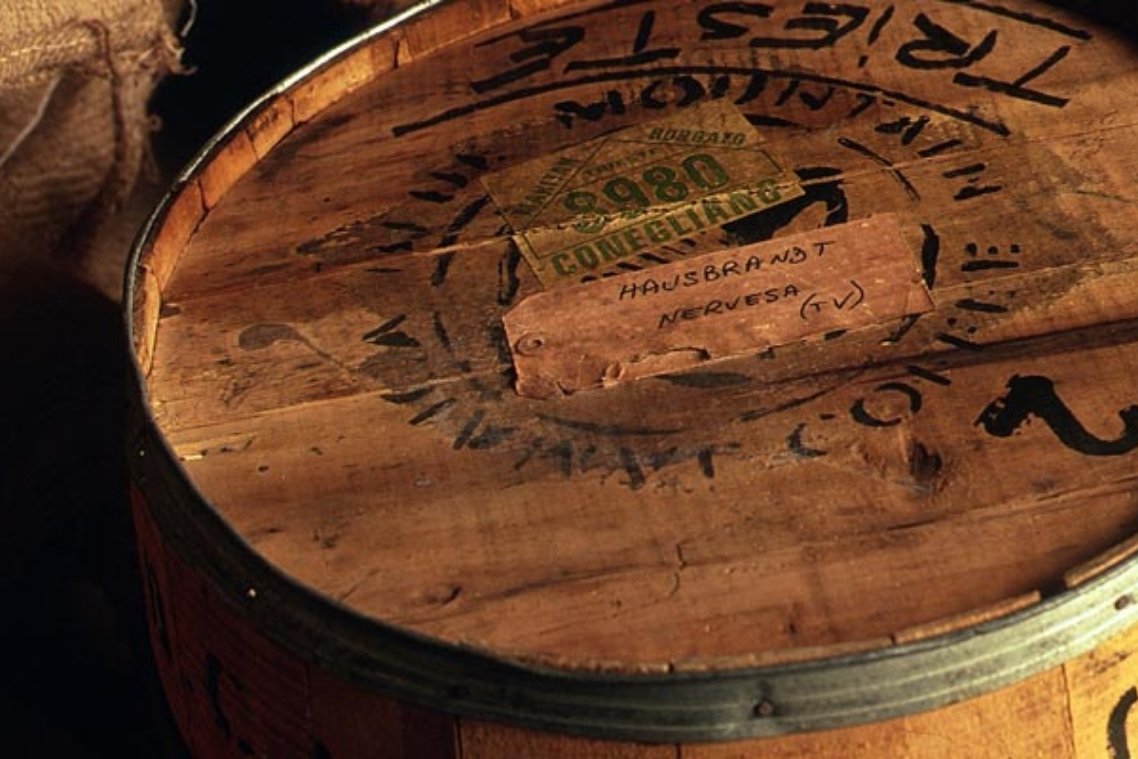
Up to Trieste, the Port of Europe
Trieste is called the “Capital of Coffee” and for over two centuries has been one of the main European ports for the import of beans from tropical countries.
It is precisely here that the second “macro phase” of coffee bean selection takes place to check that the quality and organoleptic properties have not undergone alterations during the great sea journey. Even today, thanks above all to the work of Virginio Zanetti, through a widespread logistics structure and the constant availability of product in its warehouses in the port of Trieste, Hausbrandt coffee arrives in our factories in Nervesa della Battaglia, in the province of Treviso for the subsequent stages of selection and roasting of coffee beans.

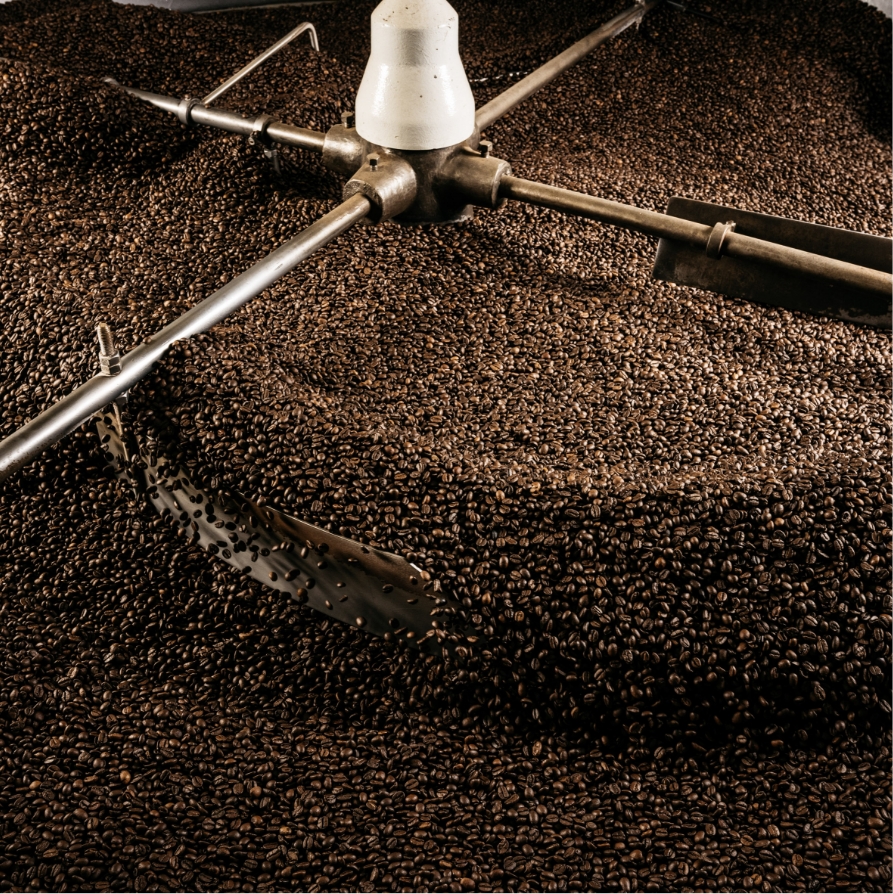
The roasting
Home of science and quality
The long manufacturing process necessary to obtain a perfect cup of espresso coffee forces Hausbrandt to constantly monitor all the individual production phases. These countless steps, checks, examinations and tests are essential steps to guarantee the customer a perfect product, which as such expresses his entire personality in the cup.